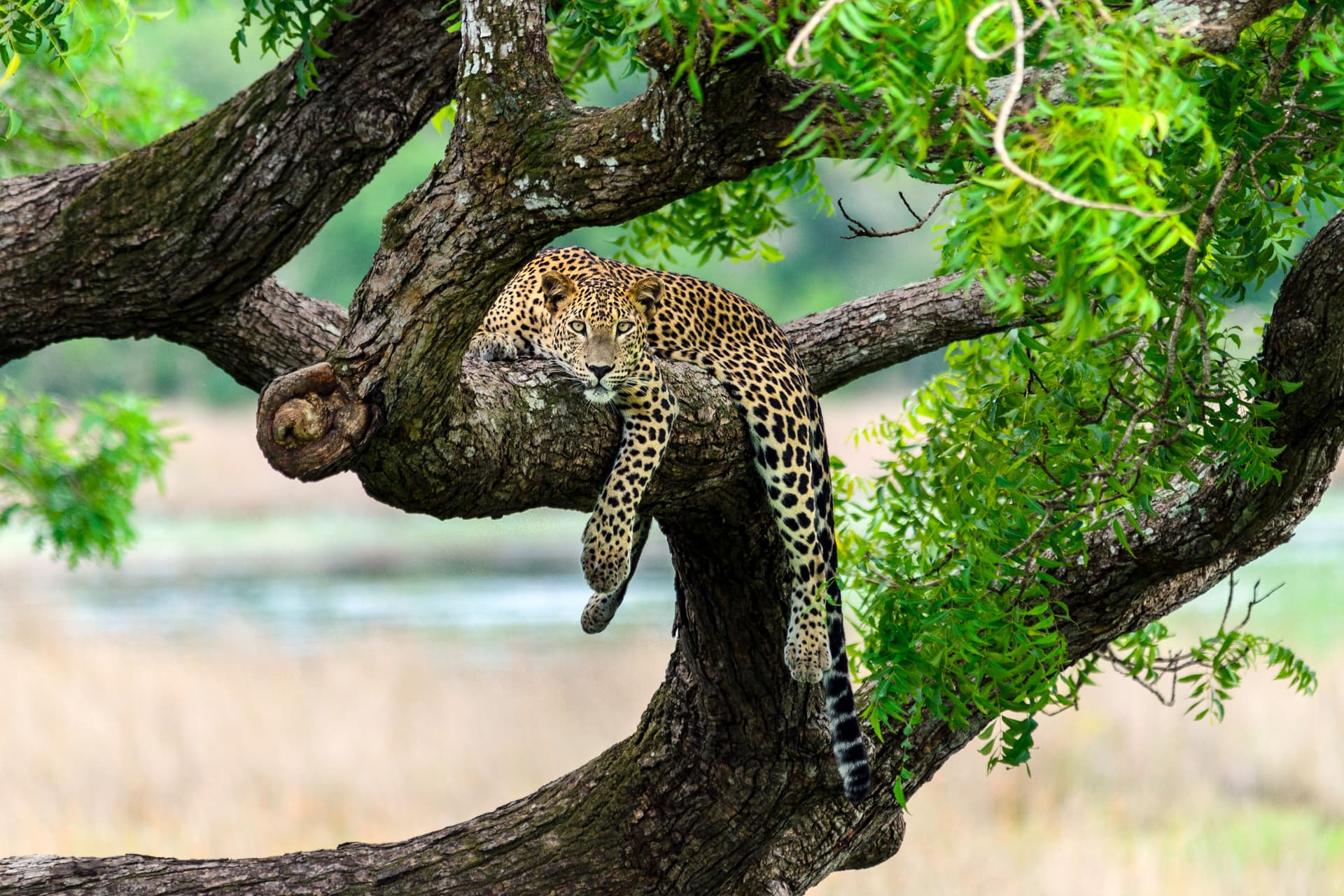
Yala
Sri Lanka's Wild Heart
Where Leopards Rule
Yala National Park holds the highest density of leopards anywhere on earth. Spread across nearly 1,000 square kilometres of scrubland, lagoons, and rocky outcrops along Sri Lanka's southeastern coast, Yala is a landscape shaped by extremes. During the dry season, animals concentrate around shrinking waterholes, creating wildlife viewing that rivals the great parks of East Africa.
But Yala is not only about leopards. Herds of elephants move through the park, sloth bears forage in the scrub, saltwater crocodiles bask along riverbanks, and over 200 bird species fill the lagoons and forests. The park's Block 1 sector offers the most concentrated game viewing, with experienced trackers who know every watering hole and favourite tree where a leopard might be resting. A safari here is raw, unpredictable, and utterly captivating.
Places to Discover
Top Attractions
World-class wildlife, ancient temples, and untouched coastline make Yala one of Sri Lanka's most compelling destinations.
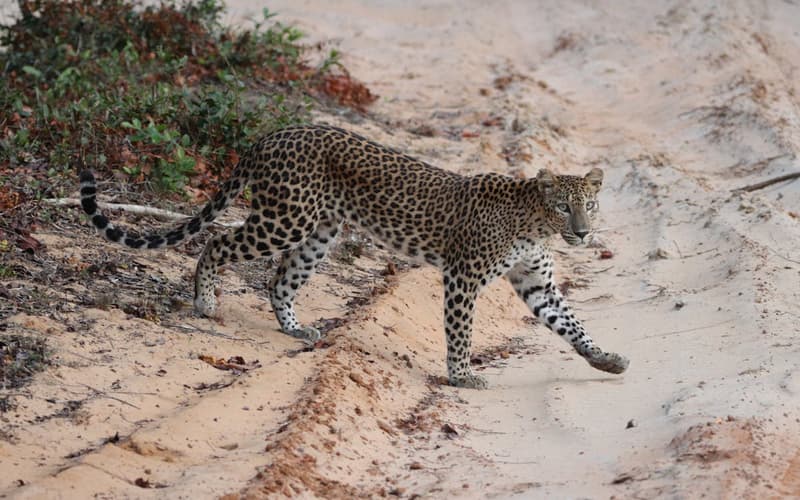
Yala National Park
Sri Lanka's most visited national park and its most rewarding for serious wildlife enthusiasts. Block 1, the most popular sector, covers 141 square kilometres of diverse habitats including monsoon forests, freshwater lakes, and coastal sand dunes. The park is home to 44 mammal species and 215 bird species, making every game drive a journey of discovery.
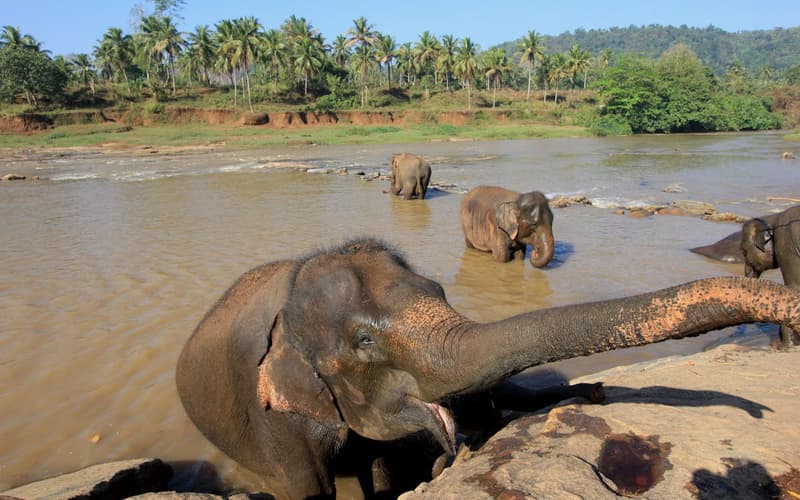
Block 1 Safari Routes
The primary safari circuit winds through open scrubland, past ancient tanks (reservoirs), and along rocky ridges. Key spots include Patanangala beach, where leopards are regularly sighted, and the Buthuwa and Menik Ganga riverbeds.
Sithulpawwa Rock Temple
Deep within the park, this 2,000-year-old Buddhist monastery is carved into a massive rock face. Once home to 12,000 monks, it remains an active place of worship. The climb to the top offers sweeping views across the park and is a powerful reminder that humans and wildlife have coexisted here for millennia.
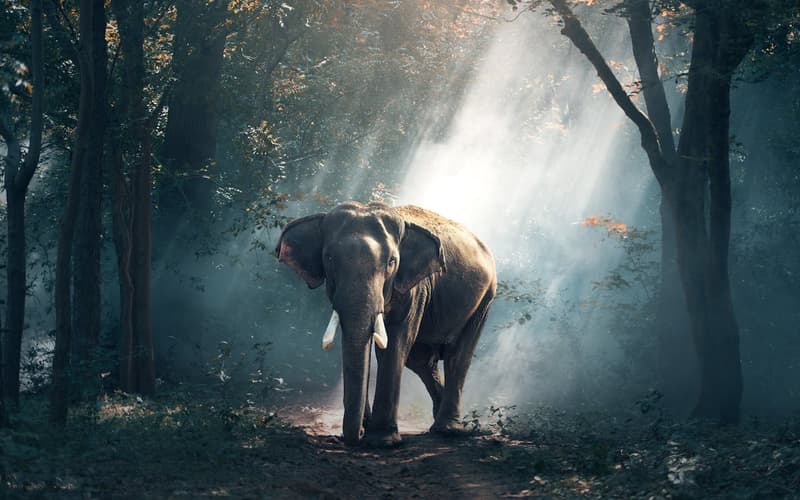
Kirinda Beach
A wild, windswept beach on the park's southern boundary. A Buddhist temple perches on the rocky headland, and the waters below teem with marine life. This is where the jungle meets the sea in dramatic fashion.
Kataragama Sacred City
Just north of Yala, Kataragama is one of the few places in the world sacred to Buddhists, Hindus, Muslims, and indigenous Vedda people simultaneously. The Kataragama Devalaya temple complex draws pilgrims from across South Asia, and the annual July/August festival features fire-walking, kavadi dances, and rituals of astonishing intensity. Combining a Yala safari with a visit to Kataragama creates an itinerary of extraordinary contrast.
Expert Led
Safari Guide
A Yala safari is only as good as the guide who leads it. We work exclusively with the park's most experienced trackers, naturalists who have spent years learning the behaviour patterns of individual leopards and elephants. Their knowledge transforms a game drive from a hopeful search into a purposeful expedition.
Morning safaris depart at 6:00 AM, when the park opens, and this is when the cats are most active. Afternoon drives from 2:00 PM until closing at 6:00 PM offer excellent light for photography and a different cast of characters around the waterholes. We recommend at least two game drives to maximise your chances of a leopard sighting.
80+
Leopards
300+
Elephants
215
Bird Species
979
sq km of Park
Wildlife Spotting
The Sri Lankan leopard is the star, but Yala's supporting cast is remarkable. Asian elephants are seen on virtually every drive. Sloth bears, shy and nocturnal elsewhere, are relatively visible here in the early mornings. Mugger and saltwater crocodiles patrol the lakes and rivers.
Birdwatchers will find painted storks, spot-billed pelicans, changeable hawk-eagles, and the Sri Lanka junglefowl, the national bird. The lagoons and wetlands are particularly productive during the November to March migratory season.
Best Time to Visit
The prime safari season runs from February to July, when lower water levels concentrate animals around remaining waterholes and visibility through the scrub is at its best. February and March are widely considered the peak months for leopard sightings.
The park closes for the September monsoon season and typically reopens in mid-October. Yala is approximately five hours by road from Colombo and three hours from Ella, making it easy to combine with a hill country itinerary.
Ready to Explore?
Into the Wild
From expert-guided leopard tracking to luxury tented camps on the park's edge, let us design a Yala safari experience that exceeds every expectation.